

What is a Doula?
A doula is a trained professional who provides continuous emotional, physical, and informational support to families throughout pregnancy, birth, and postpartum. Unlike a medical provider, a doula does not diagnose, perform clinical tasks, or make decisions for you. Instead, a doula works alongside your care team to help you feel informed, prepared, and supported as you navigate your birth journey.
During pregnancy, doulas help families understand their options, prepare for birth, create birth preferences, and build confidence in their ability to advocate for themselves. During labor, doulas provide comfort measures, guidance, reassurance, and support for both the birthing person and their partner. After birth, doulas continue to support the transition into parenthood through emotional support, recovery guidance, nourishment, and resources.
At its core, doula care is about ensuring that no one feels alone during one of the most transformative experiences of their life.
The Evidence Behind Doula Support
Birth is both a physiological and emotional experience, and the support a person receives during labor can have a meaningful impact on their experience. Research has consistently shown that continuous support from a doula is associated with improved birth outcomes, increased satisfaction, and a greater sense of confidence and support throughout the process.
Organizations such as the American College of Obstetricians and Gynecologists (ACOG) recognize continuous one-to-one emotional support during labor as an important component of improving outcomes and the overall birth experience.
Research Shows That Doula Support Is Associated With:
Lower Cesarean Birth Rates
Continuous labor support has been linked to a 39% decrease in cesarean births, helping more families achieve vaginal birth when medically appropriate.
1
Increased Rates of Spontaneous Vaginal Birth
People who receive continuous doula support are 15% more likely to experience spontaneous vaginal birth.
2
Reduced Use of Pain Medication and Some Interventions
Doulas provide comfort measures, emotional reassurance, and coping techniques that may reduce the need for certain interventions by 10%.
3
4
Shorter Labor Duration
Continuous support has been associated with shorter labors in some studies, likely related to reduced stress and increased comfort.
Improved Birth Satisfaction and Postpartum Experience
Beyond physical outcomes, doula support is strongly associated with greater satisfaction, confidence, and feeling supported during birth and the transition into parenthood.
5

The Birth Environment Matters
Birth does not happen in isolation. The environment, support system, and emotional state of the birthing person can influence how labor is experienced. When a person feels safe, supported, and informed, they are often better able to relax, respond to contractions, and navigate the natural ebb and flow of labor.
Stress, fear, and feeling unsupported can increase tension in the body, while reassurance, comfort measures, and continuous support can help create an environment that promotes confidence and coping. This does not mean birth will always go according to plan, but it does mean that the conditions surrounding labor can shape how a person feels throughout the experience.
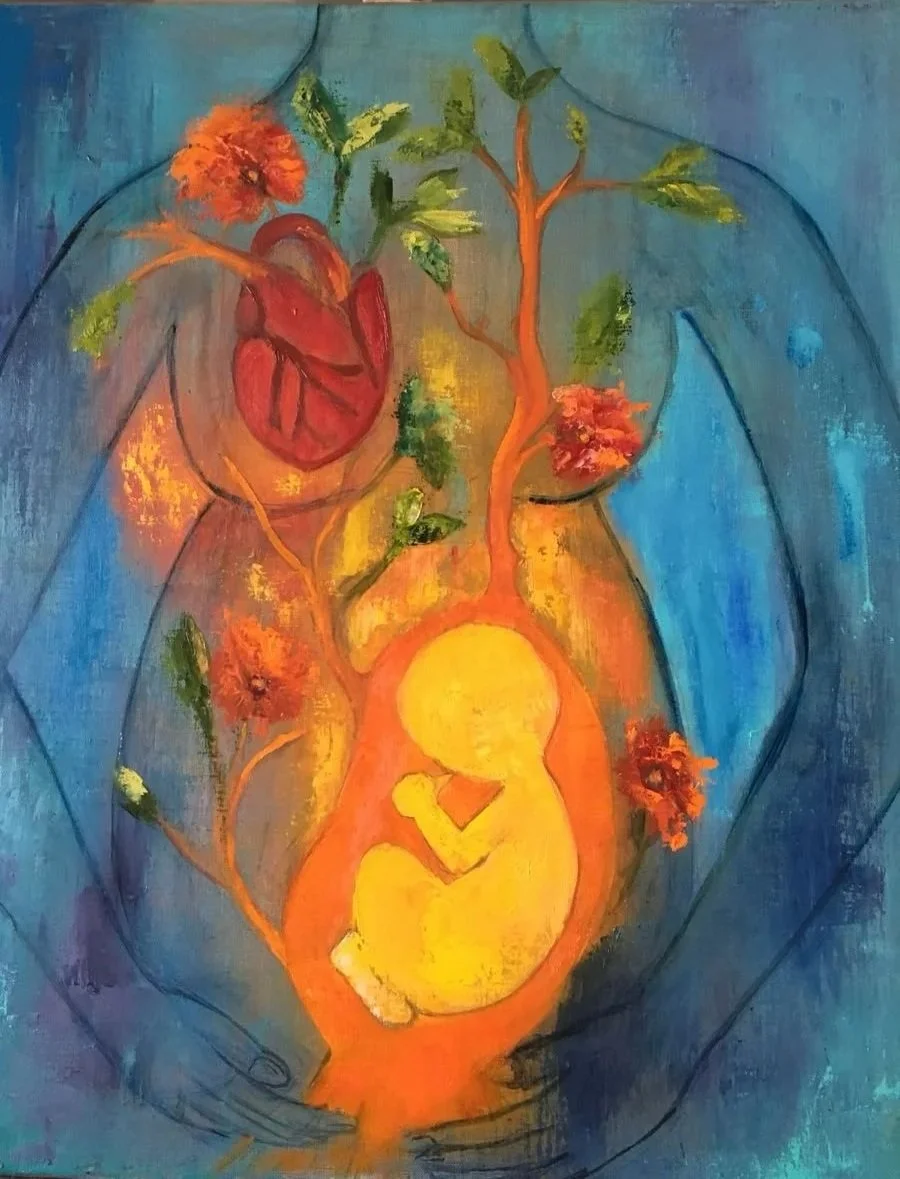
A supportive birth environment looks different for every family. For some, it may mean dim lighting, music, and freedom of movement. For others, it may mean having a trusted support team, clear communication from care providers, or simply knowing their options and feeling heard. Regardless of the setting, every birthing person deserves to feel respected, supported, and empowered throughout their labor and birth.
A Supportive Birth Environment May Include:
• Continuous support from trusted people
• Freedom to move and change positions
• Clear communication and informed decision-making
• Comfort measures for labor
• A calm and respectful atmosphere
• Support for both the birthing person and their partner
Honoring The History of Birth Support
While today's doulas are not midwives and do not provide medical care, our work continues many of the same values that have existed across cultures for generations: being a steady presence, offering education, providing comfort, and ensuring that no family has to navigate pregnancy and birth alone.
Modern doulas work alongside physicians, midwives, and nurses as collaborative members of the birth team. We deeply value the life-saving role of modern medicine while also advocating for compassionate, respectful, and evidence-based maternity care. By supporting informed decision-making and centering each family's goals and values, doulas strive to help create a healthcare experience where every woman feels heard, respected, and genuinely cared for throughout pregnancy, birth, and postpartum.
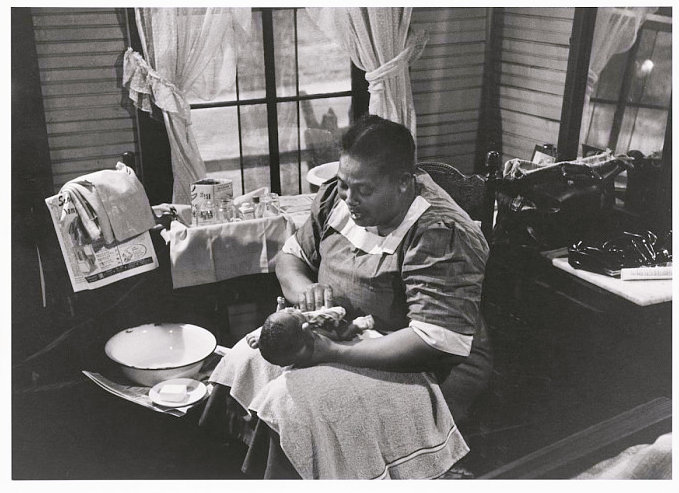
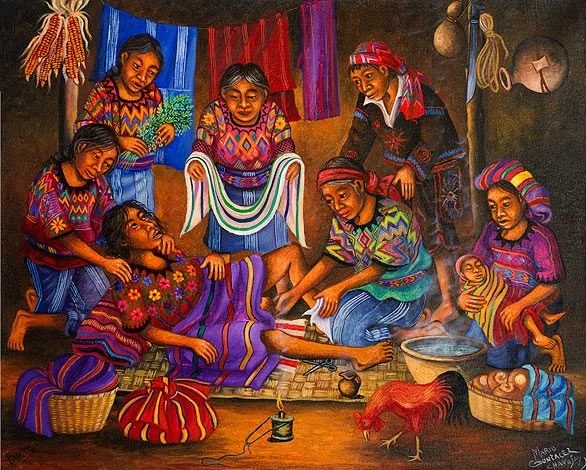
Long before birth became primarily a medical event, women around the world cared for one another through pregnancy, birth, and postpartum. Across cultures, birth was supported by experienced women within the community who offered wisdom, comfort, nourishment, and hands-on care during one of life's most transformative transitions.
In the United States, Black granny midwives played an essential role in caring for generations of families, particularly throughout the South. Midwives such as Mary Francis Hill Coley were trusted members of their communities, providing compassionate care through cultural knowledge while advocating for mothers and babies in an era when access to healthcare was limited or not available at all.
Throughout Latin America, curanderas and traditional birth workers supported families through pregnancy and postpartum using herbal knowledge, cultural traditions, and holistic approaches to healing. Likewise, many Indigenous communities entrusted birth to elder women, traditional midwives, and community healers who recognized birth as a natural life event deserving of collective care, respect, and support.

The Foundations of Holistic Postpartum Care
-
![]()
Nourishment
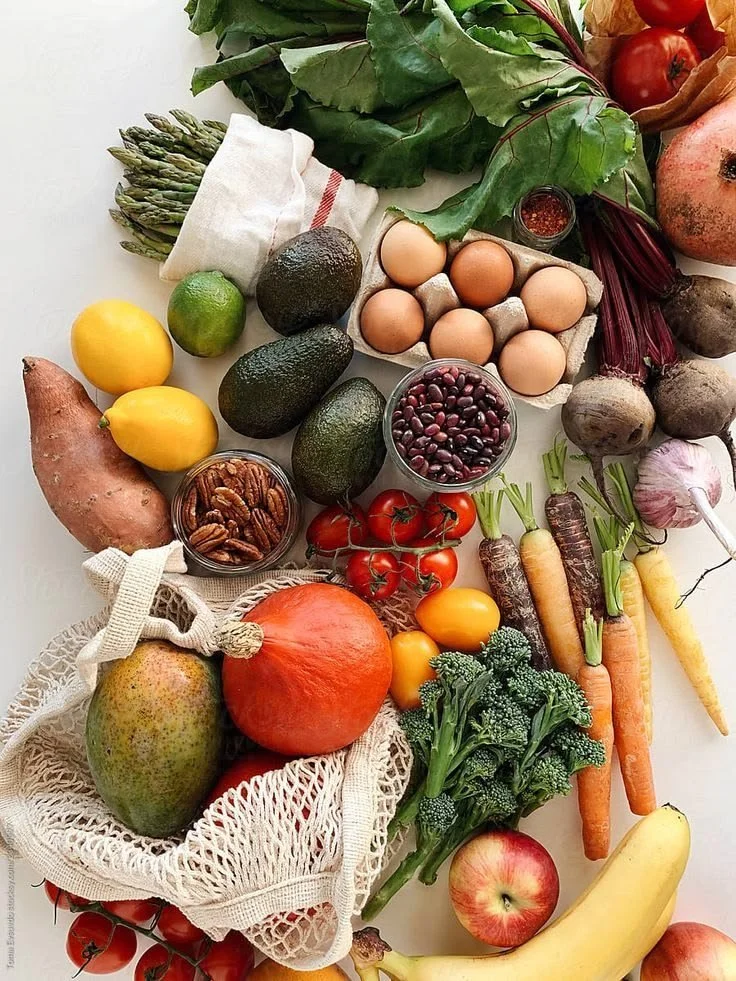
Healing after birth requires energy and nutrients. Eating balanced, nutrient-dense meals can help support recovery, meet the increased nutritional demands of the postpartum period, and provide sustained energy while caring for a newborn. Prioritizing nourishment is one way to support both physical healing and overall well-being.
-
![]()
Pelvic Floor and Deep Core Recovery
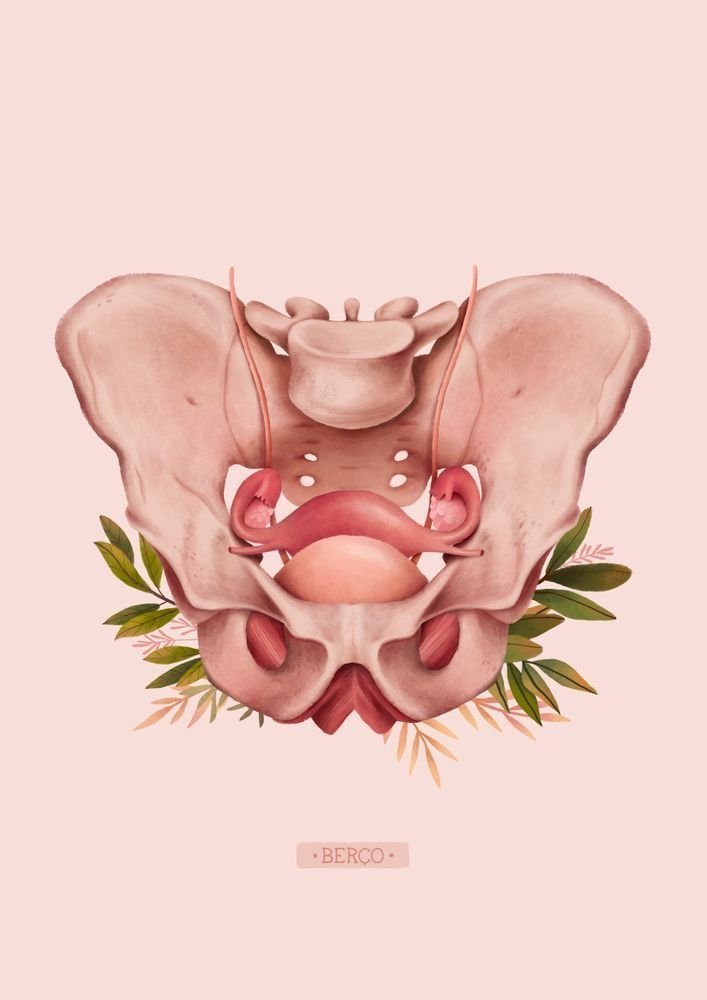
Pregnancy and birth place significant demands on the pelvic floor and core. Gentle breathing exercises, movement, and progressive strengthening can help rebuild body awareness, restore function, and support everyday movements during postpartum recovery. Recovery looks different for every person, and reconnecting with your body is a gradual process.
-
![]()
Abhyanga
Rooted in the Ayurvedic tradition, Abhyanga is a warm oil massage practice that encourages rest, relaxation, and mindful self-care. During the postpartum period, it offers an opportunity to slow down, reconnect with your body, and create space for intentional healing.
-
![]()
Belly Binding
Belly binding has been practiced in many cultures around the world as part of postpartum recovery. Many families choose belly binding as a traditional source of abdominal and pelvic support during the early postpartum period.
-
![]()
Traditional Postpartum Rituals
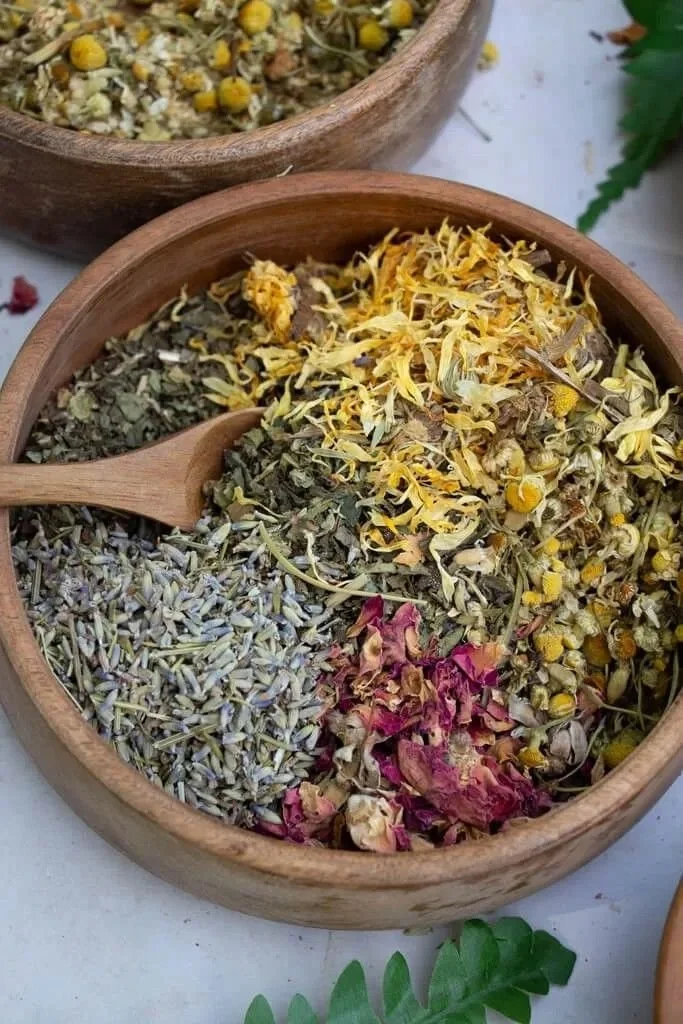
Across cultures, postpartum rituals have honored the transition into motherhood through warmth, rest, nourishment, and community care. Whether through herbal baths, herbal steaming when appropriate, bodywork, or simply creating intentional time for rest, these practices remind us that postpartum recovery is not something to rush, but a season to be supported with compassion and care.



Why Preparation Matters
No one can predict exactly how birth will unfold, but preparation can change the way you experience it. Understanding the physiology of labor, learning your options, practicing comfort measures, and preparing for postpartum can help you approach birth with greater confidence and less fear of the unknown.
Preparation isn't about creating a perfect birth plan or controlling every outcome. It's about building a strong foundation so you can make informed decisions, adapt as labor changes, and feel supported throughout the process. Every contraction, every decision, and every unexpected turn becomes easier to navigate when you have knowledge, practical tools, and a trusted support system.

Whether your birth follows your original plan or takes an unexpected path, being informed and prepared allows you to remain an active participant in your care. Through education, preparation, and compassionate support, my goal is to help families approach birth feeling empowered, respected, and confident in their ability to navigate one of life's most transformative experiences.
Whether you're looking for continuous doula support, postpartum care, or a personalized Birth Preparation Intensive, I'm here to help you feel informed, supported, and cared for every step of the way.